
Faith & everyday life
Don’t Quench the Fire: A Faith That Burns Beyond Sunday
How forgiveness, care for others, respect and a rhythm of prayer help us respond to the Holy Spirit in everyday life.
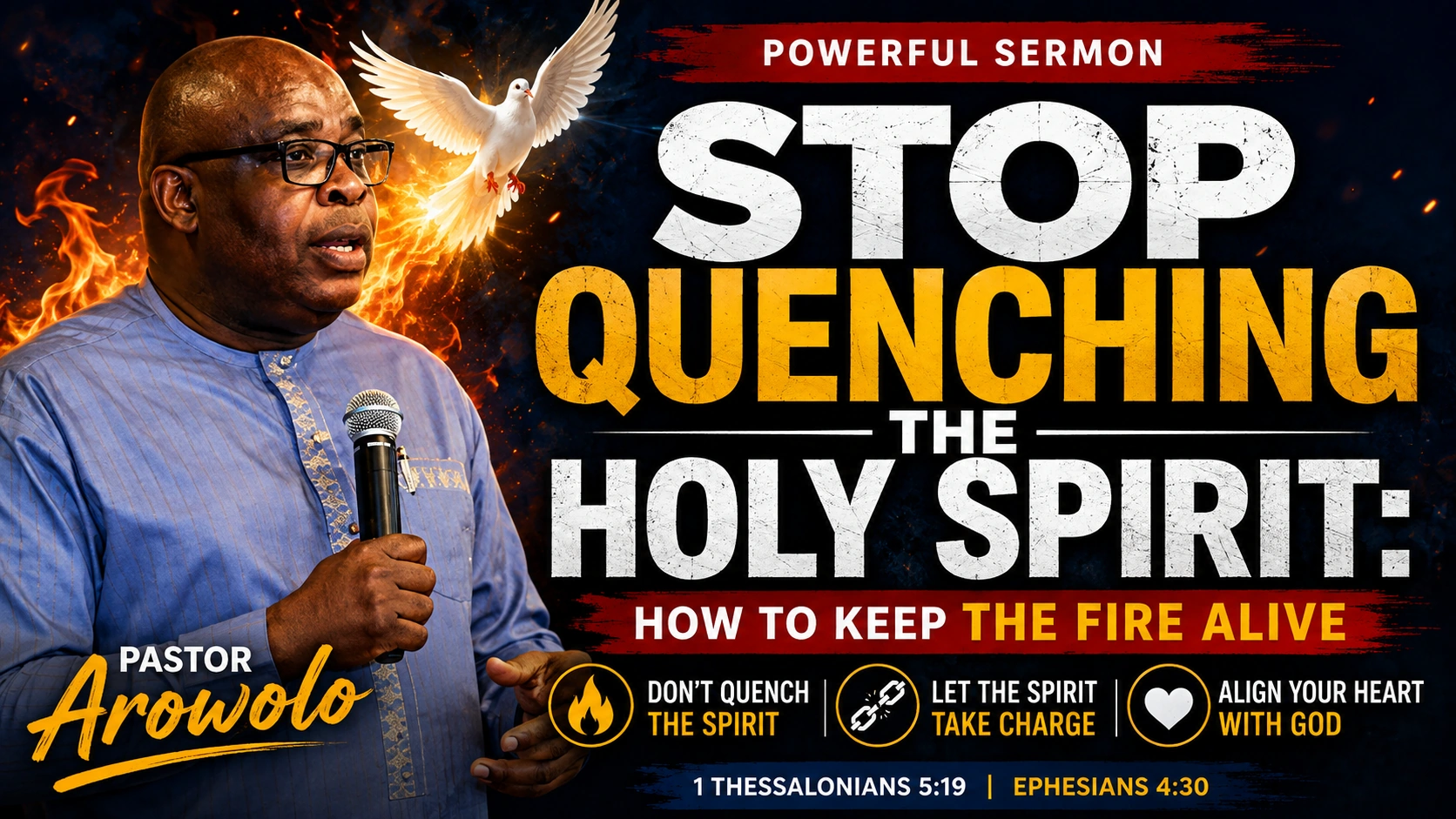
Adapted from Pastor Arowolo’s “Stop Quenching the Holy Spirit” teaching and the accompanying SWPM learner guide. This is an edited reflection, not a verbatim sermon transcript.
A powerful Sunday service can stir our hearts. Yet the way we respond to God during the week matters too. Our conversations, reactions and relationships all become places where faith is put into practice.
In his teaching on the Holy Spirit, Pastor Arowolo draws our attention to a short instruction in 1 Thessalonians 5:19: “Quench not the Spirit.” The picture is of a fire being put out. It invites an honest question: are our daily choices welcoming the Spirit’s work, or resisting it?
The accompanying Scriptures bring that question close to home. They speak about how we treat leaders, support people who are struggling, respond when we are wronged, and make room for joy, prayer and thanksgiving.
Start with an honest heart check
Notice the ordinary choices that shape your week.
Ephesians 4:22–32 calls believers to leave the old way of living behind and walk in a renewed life. It names familiar things: dishonesty, unresolved anger, harmful words, bitterness and malice. In their place, it points us towards truth, honest work, kindness and forgiveness.
This is a practical invitation. Think about your most recent difficult conversation. Did your words help someone, or leave them wounded? Is there an offence you have been carrying into each new day? Bring one specific area before God and ask Him to help you respond differently.
Forgive instead of fighting back
Choose a response that makes room for peace.
In 1 Thessalonians 5:15, the instruction is to avoid repaying evil with evil and to pursue what is good. Retaliation can feel justified when we have been hurt. We may rehearse the argument, plan a sharp reply or keep a private account of what someone owes us.
Forgiveness begins with bringing that hurt to God and asking for help to release the desire to repay it. Consider one relationship in which resentment has been shaping your response. What would a truthful, kind next step look like today?
Notice the person who has gone quiet
Care begins with paying attention.
The instruction in 1 Thessalonians 5:14 is attentive to different needs: encourage the fainthearted, support the weak and be patient with everyone. People do not all need the same response. Someone who is discouraged may need encouragement; someone who is overwhelmed may need practical support.
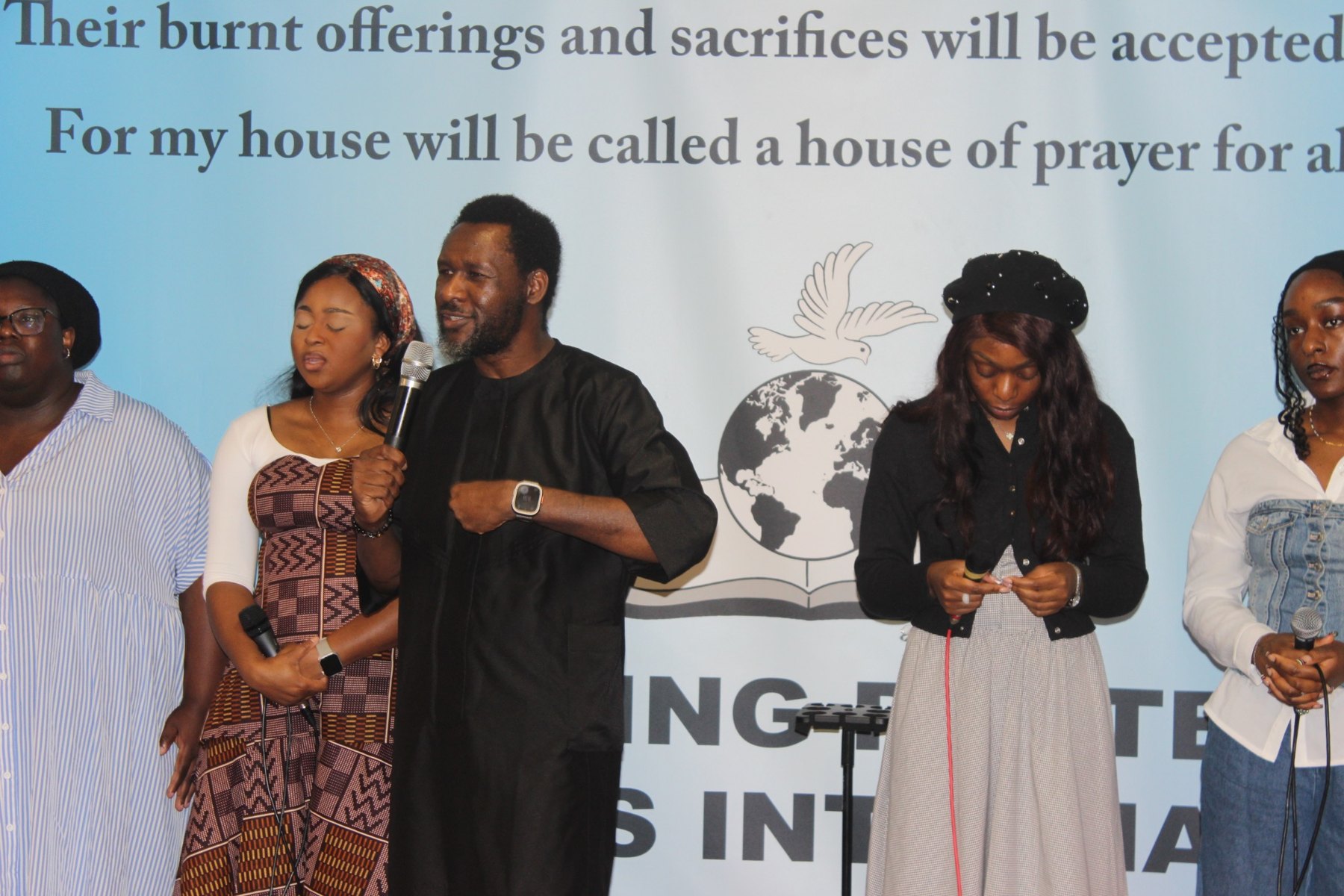
In our church family in Navan, that care can begin with a simple message, a conversation after service or an offer of help. Think of someone you have not heard from lately. Reach out without waiting for them to ask. If the situation needs more support than you can offer, involve a pastor or trusted leader.
Recognise those who serve
Make gratitude specific.
First Thessalonians 5:12–13 asks the church to recognise those who labour among them and esteem them in love for their work. Much of that work happens away from the platform: preparing, praying, listening and supporting people through difficult seasons.
Take a moment to remember someone whose service has helped you. Thank them for something specific. Let respect shape how you speak about them, including conversations in which they are not present.
Keep returning to prayer and thanksgiving
Build a rhythm you can carry into ordinary life.
The instructions to rejoice, pray and give thanks in 1 Thessalonians 5:16–18 lead directly into the call not to quench the Spirit. They invite a continuing relationship with God throughout the day.
You can pray honestly about a difficult situation and still notice reasons for gratitude within it. Start with a brief prayer before your day begins. Return to God when you feel pressure rising. Before the day ends, name one thing for which you can give thanks.
Carry F.I.R.E. into the week
Four reminders from the SWPM learner guide.
The learner guide brings these themes together in the F.I.R.E. framework. Use it as a reminder when your faith meets the demands of everyday life.
- F — Forgive: choose goodness rather than retaliation.
- I — Include: encourage and support someone who is struggling.
- R — Respect: recognise and appreciate those who serve.
- E — Express: make room for joy, prayer and thanksgiving.
Choose one step today
Read 1 Thessalonians 5:12–19 and Ephesians 4:22–32 slowly. Ask God to show you one area that needs attention, then choose a small action you can take.
Perhaps it is a message of encouragement, a conversation you have avoided, a sincere thank-you or a regular moment of prayer. Write down that step and return to it at the end of the week. Keeping the fire alive becomes practical when the teaching shapes what we do next.